The Retirement Anxiety Peak: Why 55-59 Year Olds Are Freaking Out
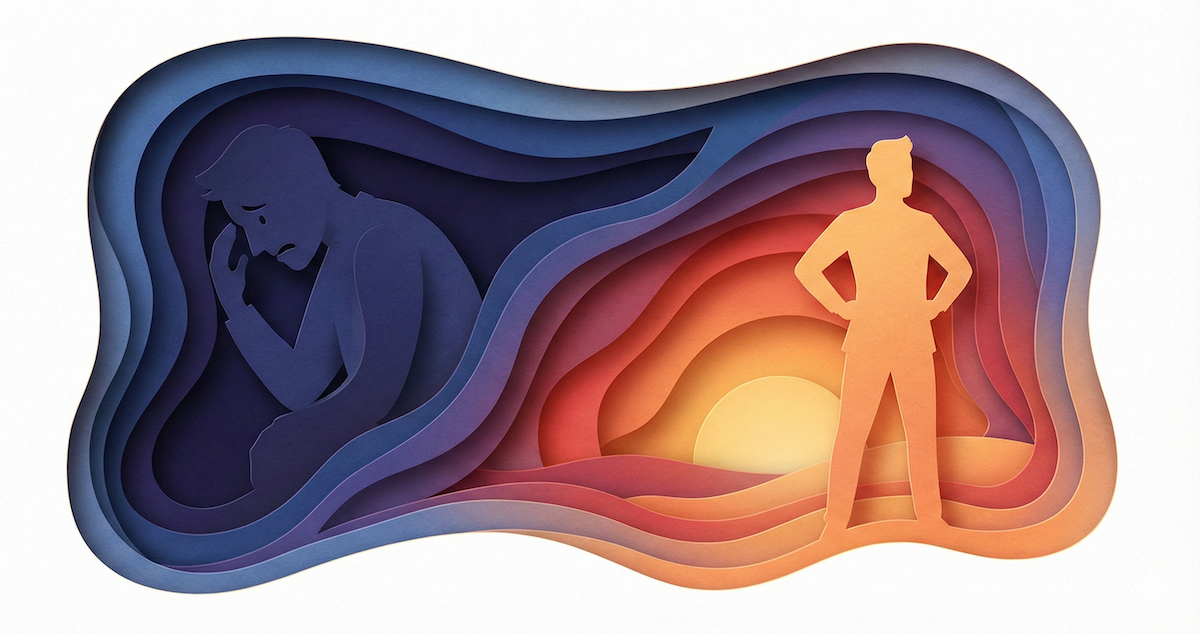
If you're in your 50s and feeling more anxious about retirement than you did a decade ago, you're not imagining it. The data confirms what you're feeling: retirement anxiety actually peaks between ages 55-59.
Which makes sense. Retirement isn't some distant concept anymore. It's close enough to see clearly, close enough to stress about, but still far enough away that you're not sure if you've done enough.
Here's the good news: there's a massive difference between people in your age group who are freaking out and those who feel confident. And it's not what you think.
The Gap Between Anxious and Confident Isn't Money
Six out of ten Canadians think they'll outlive their savings. Women especially—63% compared to 55% of men—worry about running out of money. These numbers stay high across all age groups until you actually retire, when anxiety finally starts to drop.
But here's what's fascinating: the people who feel confident aren't necessarily the ones with the biggest nest eggs. They're the ones who understand the math.
73% of Canadians who understand how CPP works feel confident about retirement. Only 21% of those who don't understand it feel the same way. That's a 52 percentage point confidence gap based purely on knowledge.
When you know what CPP will actually pay you, suddenly everything else comes into focus. You're not guessing anymore about whether you have enough. You're calculating.
The What-If Question That Keeps You Up at Night
Your 50s are when the what-ifs get real:
What if I retire at 60 instead of 65? What if the market tanks the year before I retire? What if I live to 95? What if my partner outlives me by a decade?
Over half of non-retirees don't have a retirement plan at all. But you're not in that group. You've been thinking about this. You've probably got some savings, maybe a pension, definitely CPP coming eventually.
The problem isn't that you haven't planned. It's that you haven't stress-tested the plan.
You need to see the scenarios. Not just one rosy projection where everything works out perfectly, but the messy what-ifs that reflect real life. Because confidence doesn't come from hope. It comes from seeing the numbers hold up under different conditions.
What Actually Builds Confidence
52% of Canadians said having a financial plan was the number one reason they felt confident they wouldn't run out of money. Not "having more money." Having a plan.
But here's the thing about plans: they're only useful if they account for reality. And reality is messy. Markets fluctuate. Health changes. Plans evolve.
The people who report lower stress about retirement (49% vs 39% among those without plans) aren't just the ones who made a plan once. They're the ones who understand their plan well enough to adjust it.
They know what their CPP pays at different ages. They've modeled what happens if they work one more year. They've seen what their savings look like if they retire early. They've run the math on living to 90 versus 95.
They're not optimists. They're informed.
Nearly half of Canadians (48%) had someone help them understand money—a parent, mentor, advisor. Those people consistently report less stress. But you don't need a financial advisor to run scenarios. You just need the right tools to see what your retirement actually looks like under different conditions.
From Anxiety to Confidence in Your 50s
You're at the age where retirement planning shifts from abstract to concrete. The questions aren't theoretical anymore. They're practical:
Can I actually retire at 62? What changes if I wait until 65? How does CPP factor in? What if one of us stops working early? Do our savings cover the gap?
The difference between feeling anxious and feeling confident isn't having all the answers. It's being able to see the questions clearly enough to make informed decisions.
The data shows that understanding the CPP, having a plan, and being able to model scenarios all dramatically reduce retirement anxiety. These aren't nice-to-haves for people in your position. They're the difference between lying awake at night wondering if you've saved enough, and actually knowing where you stand.
You've spent decades building toward this. You deserve to see what you've built—and what it can actually do for you.
Because the gap between anxious and confident isn't luck or money. It's clarity.
And that? That's something you can get today.
Enjoyed this article?
A quick like helps others discover it too.